
Case Study
When "Good Enough" Isn't Good Enough
The Challenge
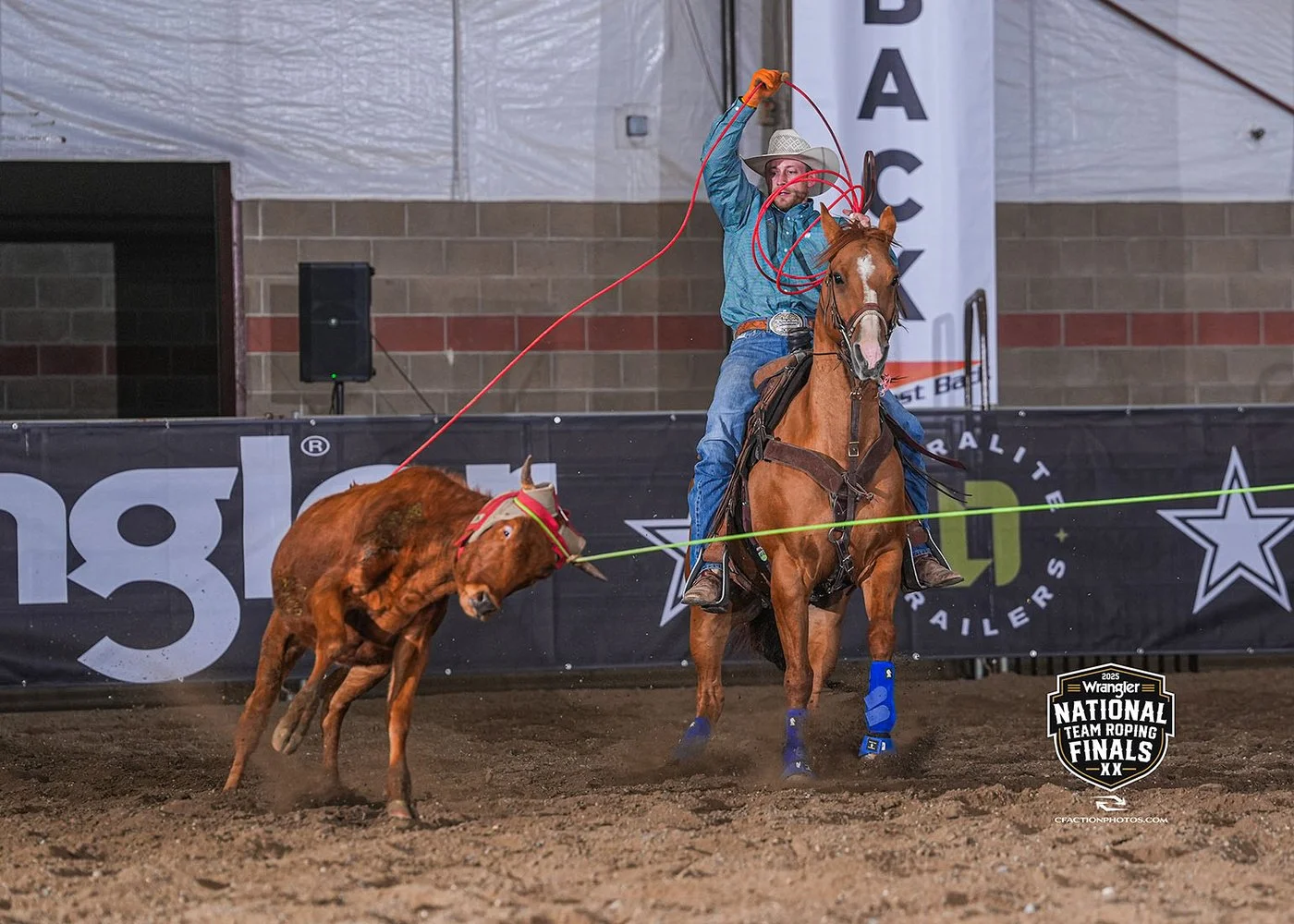
This horse was already competing at the highest level of team roping. On paper, there wasn't an obvious reason he shouldn't perform.
Yet something was missing.
His owner described him as lacking that extra gear needed for elite competition. Some days he felt disconnected, almost like he was riding a "zombie." The previous owner had made similar comments, saying the horse always seemed like something was missing.
Along with the performance concerns, he also displayed several behavioral patterns:
Cinchy during saddling
Cold-backed or roached his back when mounted
Two-tracked (fishtailed) during movement
Difficult to keep weight on despite conditioning
Always willing to work, but never seemed completely comfortable in his body
For an NFR-caliber horse, those subtle signs matter.
Looking Beyond the Veterinary Report
We reviewed his pre-purchase examination.
Nothing stood out as a major concern—especially for a horse that had competed at this level.
But performance horses often compensate incredibly well.
Instead of asking,
"Is this horse lame?"
we asked,
"What is preventing this horse from expressing his full athletic potential?"
The Body Evaluation and BioScan
A hands-on movement and body assessment revealed several significant compensation patterns.
Areas of greatest reactivity included:
Ulcer-related reflex points
Right hamstring
Lumbar region
Gluteal muscles
Quadriceps
Lower cervical muscles
Shoulders
One finding was especially interesting.
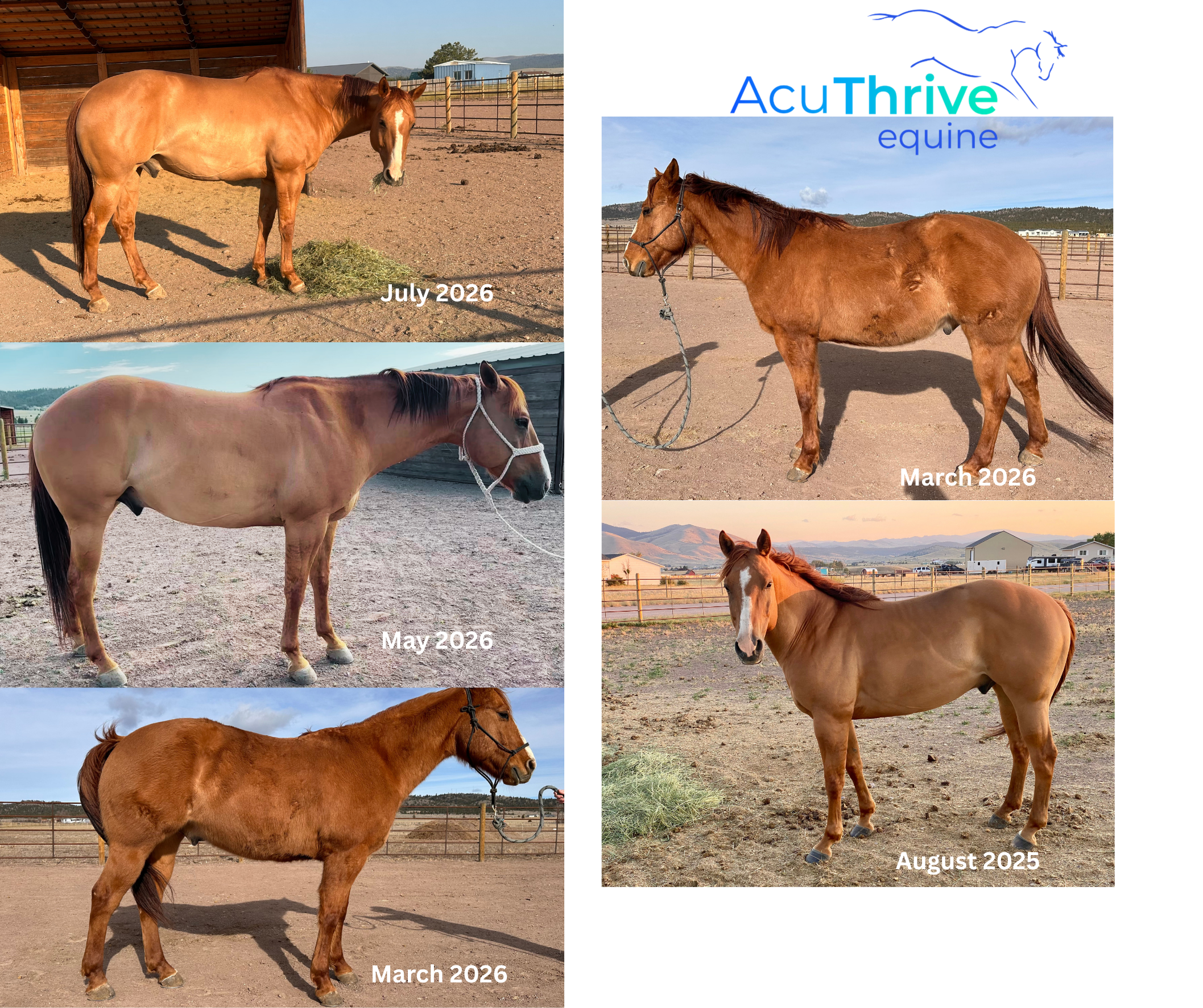
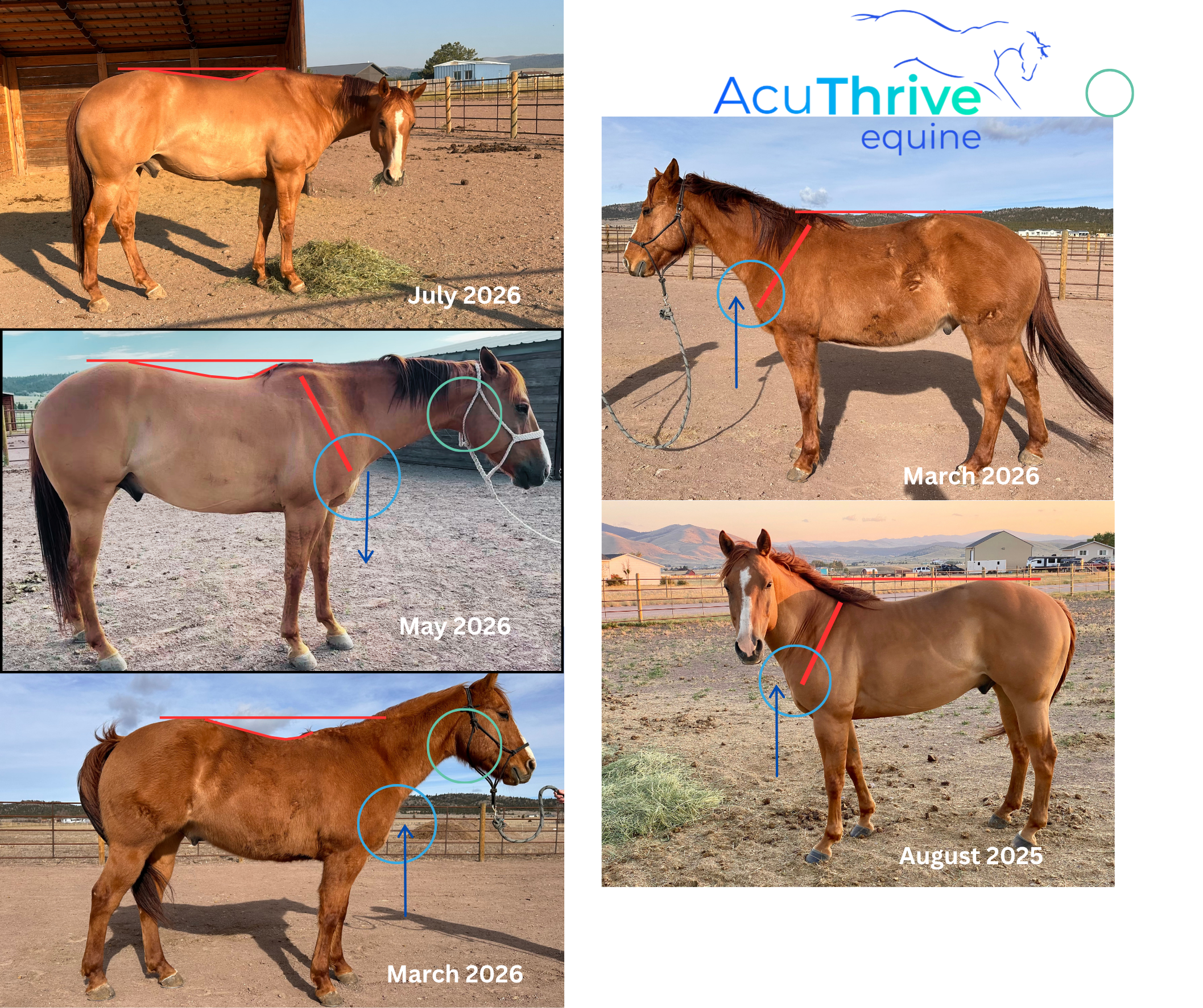
Although he was conditioned for high-level competition, his lower neck was considerably more developed than his topline.
That pattern can indicate a horse relying on the underside of the neck for stability rather than carrying himself efficiently through the back and hindquarters. Instead of using the entire kinetic chain, he appeared to be compensating through multiple regions of the body.
None of these findings alone explained everything.
Together, however, they painted a picture of a horse working around restrictions rather than moving through them.
The Bigger Picture
Elite horses don't have to be lame to lose performance.
Small compensations can affect:
Balance
Power
Straightness
Engagement
Recovery
Willingness
Overall connection
Many owners assume these are simply personality traits or training issues.
Often, they're the horse's way of adapting to discomfort.
Why This Matters
This horse wasn't refusing to work.
He showed up every day and did his job.
But his body was telling a different story.
By identifying subtle compensation patterns before they become major problems, we can help horses move more comfortably, recover more efficiently, and perform with greater confidence.
Sometimes the biggest difference isn't treating an injury.
It's discovering the patterns that have been quietly limiting performance all along.
Reset and Restore - The ultimate program to peak performance
Learn more here: Reset and Restore